Claire Allen, violin
  • Home
  • Bio
  • Performance
    • Solo Voices Program Notes
  • Studio
    • Student Portal
    • Testimonials
    • Why Study Music?
    • Guide for New Violinists and Parents
  • Media
    • Recordings
  • Blog
  • Contact

Auditions are Mirrors

9/7/2015

1 Comment

 
I took an audition last week. You may notice from browsing my website that a lot of my focus is on teaching, chamber music, and on finding new ways to connect to audiences. Not auditions, and not orchestra.

Part of this was a practical choice on my part when starting my career: when you graduate from Peabody with $90K in student loans, you need a steady income. Fast. I tried to fit performances in when I could, but I put all my energy into building my studio and paying down my debt.

Part of this was playing to my strengths: I have a lot of experience teaching. I'm good at it. I like playing around with the internet and figuring out ways to use it to connect with people through music. 

Part of this was just because I don't like auditions. After two years in a high-pressure music school, I wanted some time where I wasn't being compared to other violinists. Auditions are stressful. And when you're trying to release physical tension in your playing, you need low-pressure performances where you set yourself up for success, not auditions.

Fast forward two years later. I have an advanced student, a senior, taking the Senior Regional Orchestra audition. She has to play excerpts. I have a junior whose orchestra teacher uses the SRO excerpts for their seating placements at school. And I have an 8th grader auditioning for the Junior District orchestra - yep, excerpts. It seems that excerpts and orchestra have finally caught up to me. The Universe has made it pretty clear to me that to succeed as a teacher, I need to be able to teach excerpts. And to teach excerpts, I need to be able to play them.

About this same time, a friend of mine told me about a local orchestra having sub auditions, and I sent in my resume. I figured if nothing else, it would give me something to practice for. I'd taken this audition once before, with disastrous results. My heart rate accelerated, my body locked up, sweat poured from my palms and I just choked in the audition room. 

But, I figured this time would be easier. And it was. The list was the same, so I had a leg up on learning the pieces. I felt at least a little more confident. Audition day arrived, and my heart rate accelerated (but less so than last time), I managed to unlock my body enough to actually move my bow some of the time, and I was able to stay present enough in my mind to have SOMETHING of a musical experience in the room. 

Unfortunately, "better" in this case wasn't enough to make the sub list. Some of my friends who took the same audition did make it in, though. I plunged into a very dark place in my mind, a place of comparison and despair I hadn't been in years. I replayed the audition in my mind. I beat myself up for my lack of focused practicing. I picked apart my fundamentals and lamented my natural tendency to manifest tension physically. I called my best friend and sobbed. I talked to some mentors. Finally, I put in my copy of the Empire Strikes Back in the DVD player and enjoyed an evening on the Dark Side.

The next day, I took my notebook and I wrote down, in detail, everything that had happened in the audition room. And I made a plan.


You see, an audition is a mirror. It's like the dreaded 360-degree mirror in the show What Not To Wear. It shows you ALL of the imperfections in your playing, in excruciating detail. If you have weaknesses, they will come out in an audition. Even if you have weaknesses you think you've corrected or strengthened, they can come back in these situations. It is an emotional experience to look in this mirror, to have your playing on display and to see your flaws reflected back at you.


Based on my (albeit limited) experiences, here are a few tips to help you through an audition experience:


  • Over-prepare. You cannot possibly be prepared enough. Practice hard, and practice smart.
  • Play mock-auditions. As closely as possible, simulate the conditions. Ask your friends and family to act as a panel for you. Play in front of people who make you nervous. No matter how un-fun this is, do it anyway. This way, your performance nerves on the audition day won't catch you off guard.
  • Keep yourself focused on your own playing. Don't let your friends (especially friends who may be taking the same audition!) or colleagues distract you. Do what YOU need to do to focus. 
  • Remember, you're making music.
  • Afterwards, have someone you feel comfortable with who you can call, and let yourself have some down-time to just be you to recover.
  • Let yourself feel whatever it is you feel when you hear the results. You won't be able to fully process the experience until you feel it - so grab a box of tissues and let it out.
  • Within 24 hours of the audition, make notes about what happened to your playing - both things that went well, and places where your nerves/musicality/technique broke down. 
  • Figure out strategies to strengthen your weaknesses, and choose new material to learn to work on these things.
  • Remember, there will always be another orchestra audition and new opportunities - you will learn and grow from  your experience, and your family and friends will still love you regardless of the audition results. And if they don't, you may need some new friends.


That's all for today. Be well, my friends, and enjoy this new year!

Love,
Claire
1 Comment

Guest Blog: Reflections on Violin-ing with a Broken Arm

8/2/2015

1 Comment

 
This blog post was written by Jennifer Gibson. Her daughter Lindsey, age 7, is one of my private violin students.


I emailed Miss Claire from the ER.  A broken arm.  So many things go through your mind when something like this happens.  Though it would be awkward, I knew my young violinist would figure out how to eat and write with her left hand for a while, but how do you play the violin with no bow hand?  The doctors were talking 10-12 weeks of recovery time, which seemed like an eternal “violin vacation”, ripe with regressing about 6 months and the frustration (for both me and my daughter) that went along with it.  Ugh. 

Violin had been going so well lately, too.  She loved the current piece she was working on and was excited to play the whole thing at her next lesson.  She had just started playing duets over the summer with a friend from group class.  I guessed all of that would come to a screeching halt for a while. 

Within two hours Claire had emailed me back with a half a dozen things we could do and a promise to reach out to her colleagues to find more.  Two days later we went to her lesson.  I was shocked at how we spent the full 45 minutes doing real violin activities.   With one hand.  We walked out with a full practice sheet.

We are now 2 weeks into it and have had some interesting revelations:

1.     It is a refreshing break to be forced to change our practice format.  We’re making little to no progress on Suzuki and I’m sure I’d be singing a different tune had this happened three weeks before a recital.  However, in the summer it’s fun to go back and do some GDG or some Ant Song while trying a little more advanced plucking technique.

2.     Doing the left hand only and singing on review songs does help to keep them fresh.  Sometimes I even catch her moving the bow arm at the same time, kind of like a dog would move his leg when you scratch him in just the right spot.  It shows how connected the whole body is when learning to play the violin.  Somehow I like to think that is keeping the bowing fresh on some level. 

3.     Writing words to songs is therapeutic.  When we hear emphatic renditions of “I do not like my BUST-ed arm” to the tune of Minuet No. 3 floating through the house, we know she is venting a frustration with her current limitation.

4.     It is quickly becoming a guilty pleasure how much I enjoy doing the bow part for her during certain exercises.  After being a spectator and home coach for over a year while we both learn how the violin works, it’s fun to take part in the music! 

5.     My doing the bow takes the pressure off her a bit because if we mess up there is at least 50% chance that it’s my fault.  Instead of getting stuck in the place where “I’m horrible and I can’t do it”, we can quickly blame me and move on to giving it another try.

6.     I daresay she enjoys being able to boss me around a bit for a change when it comes to the bow.  She says “Mommy – make that a good martele!” or tells me which strings to bow on when I mess up, as if it should be the simplest thing in the world.

Would I choose to have my sweet girl break her arm and embark on this violin detour?  Of course not, but we are making the best of it.  I’m waiting for the day when it’s a distant memory and we can say, “Remember when you broke your arm in the middle of Suzuki Book 1?”.

1 Comment

The Stories You Don't Know

7/24/2015

0 Comments

 
I've been thinking lately that it's been two years since I started my violin studio, and it's grown from just two students in my mother's living room to a full studio of nearly 20 students as part of an established program, with a waiting list. My students and their parents are something I am grateful for every single day.

With a growing studio comes the beginnings of student accomplishments. Youth orchestras. Honor orchestras. Honor recitals. I'd be lying if I didn't say these things make me really happy. It's great to have audition panels recognize that your students play well. It certainly helps validate me as a teacher, and I think everyone likes to be validated.

However, the interior journeys, and the relationships I'm building between myself and my students - those are the things that make me have to hold back tears in lessons, the reasons that I do what I do, and why I do believe that music education can change our world for the better.

So here are a few stories that you don't know about my students - with no names, identifying details, or personal pronouns to protect my students' anonymity. 

One quiet, reserved, introverted student who has played for many years with many teachers confessed to me that their earlier violin teachers didn't like them, believe in them, and occasionally insulted them. It's taken many lessons, but this student is now comfortable with me, trusts me, and is slowly starting to believe in their own ability to create the sound they want on the instrument. Progress in this lesson looks like the student being able to take a deep breath, let go of their doubts, and just play.

Another student, with whom lessons are a pure joy now, is a student I wasn't sure I could continue with during the first six months of lessons. It seemed that everything I said was only partially understood. The student was highly stressed, and it took me some time to realize that they were worried they were being graded every violin lesson. They thought that saying "Ms. Allen, I didn't have time to do everything this week," or "I don't know the answer to that question" would mean that they "failed" for the day. After a conversation with their mother, I invited the student for a lesson without their violin. We listened to music, and we talked about what we liked. I explained that I want to meet them where they are, but that I need an honest representation of where they are to be able to do the most help. Fast forward over a year, and this student is flying. I still need to remind them that if they feel overwhelmed, it's better to do a few things really well in practice than everything sloppily, but we've established a relationship of trust - and that trust has led to genuine confidence in the student's skills.

One of my students has practically flown through the beginning stages of their violin playing, and went through pieces at an astonishing rate. I know it's human nature to see "getting to the next piece" as a sign that they're doing well, but what I'm looking for in violin lessons is progress when it comes to solid fundamentals. As a teacher, I'd rather hear them play the same piece for the 1,000th time, but with a tall violin and an improved sound, rather than have them play 1,000 pieces kind of okay. It's exciting to move through repertoire, but my struggle is to slow them down a little bit so I know the fundamentals are in place - and helping them feel that my slowing them down doesn't mean they are doing badly. I hate seeing the disappointment at the end of the lesson when we haven't started a new song, but I know I have to stick to my teacher guns and insist on the technique before I let them move on. 

One student, who recently was accepted into a youth orchestra, has received a lot of praise and recognition in public for it - as well they should. What people don't know is that for weeks before the audition, this student had to withstand more pressure from me than they had ever experienced. We drilled scales for months, and I made them play their excerpts over and over again until I was satisfied. The day before the audition, this student played three pieces that were NOT related to the audition for our spring recital. AND, this student's bow broke due to the change in humidity. Immediately after the audition, the student's mother emailed me and told me the student said the audition was the easiest thing they had done all year and felt really happy and confident about their playing. And that - that right there - is my goal for my students when they audition. It was a good affirmation for me as well that I am doing my job.

One of my younger students - an easily distractible, high-energy, creative, and free-spirited person - has recently had lessons where the lessons are more about violin, and less about standing still and learning to focus. Despite my regular admonitions of "Stand still, please!" "Play this song for me, please!" "Did you hear what I just said?" (No) "Well, can you do this now?", this student is growing and learning. I even got a spontaneous hug after their lesson this past week. The student is equally excited to be developing the skill of "having a good violin lesson" as well as just playing the violin.

These are just a few of the stories you don't hear. It's not as exciting as Suzuki book graduations, or the big sense of "finishing" something. But these are just a small fraction of the students whose musical lives of whom I'm privileged to be a part. Everyone has their own struggles, and their own stories. I hope you felt as inspired by reading them as I do witnessing them.

0 Comments

The Friends You Meet

7/11/2015

1 Comment

 
I've had the joy of seeing some of my violin students start to become friends this year. It's what happens when you strongly recommend group class and do your best to get your kids hooked on chamber music. This summer, four of my students responded to my offer to teach them duos. One student came into their lesson gushing about the fun they'd had at their rehearsal/playdate. It turns out they're both reading the second Harry Potter book this summer, and that they have more in common than a shared violin teacher! It warms my heart - having a supportive peer group is so essential for any endeavor.

Being a professional musician is a hard thing. It's a very hard life, and it's not one I recommend for anyone unless they know they would rather stop breathing than give up their instrument. Music has a way of consuming your heart and becoming a part of your soul. 

One of the absolute best things about being a music student and now a professional musician is the people I have met. I know some of the most beautiful souls in the world, and I've had the immense privilege of playing and performing music with them. 

My first semester at Peabody, I didn't know anyone and was randomly assigned to a chamber group. We quite arbitrarily chose to learn Schumann's Piano Quintet, and most of the group didn't stay together after that first semester. Life has a funny way of working out, though, and the violinist and the violist from that first group stayed with me and a new cellist to form a quartet. Our last year at Peabody, the four of us were nearly inseparable, and our violist, Lillian, and I became particularly close.

Three and a half years after that first chamber meeting, I found myself in Orlando, Florida, where I taught a masterclass and played chamber music with Lillian for her students. After leaving Peabody, she moved to Florida to teach at a high school conservatory there and was able to hire me as a guest artist. We also took a little trip to Universal Studios on a day off. Little did I know that that random chamber music assignment would someday lead me to the Hogwarts Express with one of my favorite people!
Picture
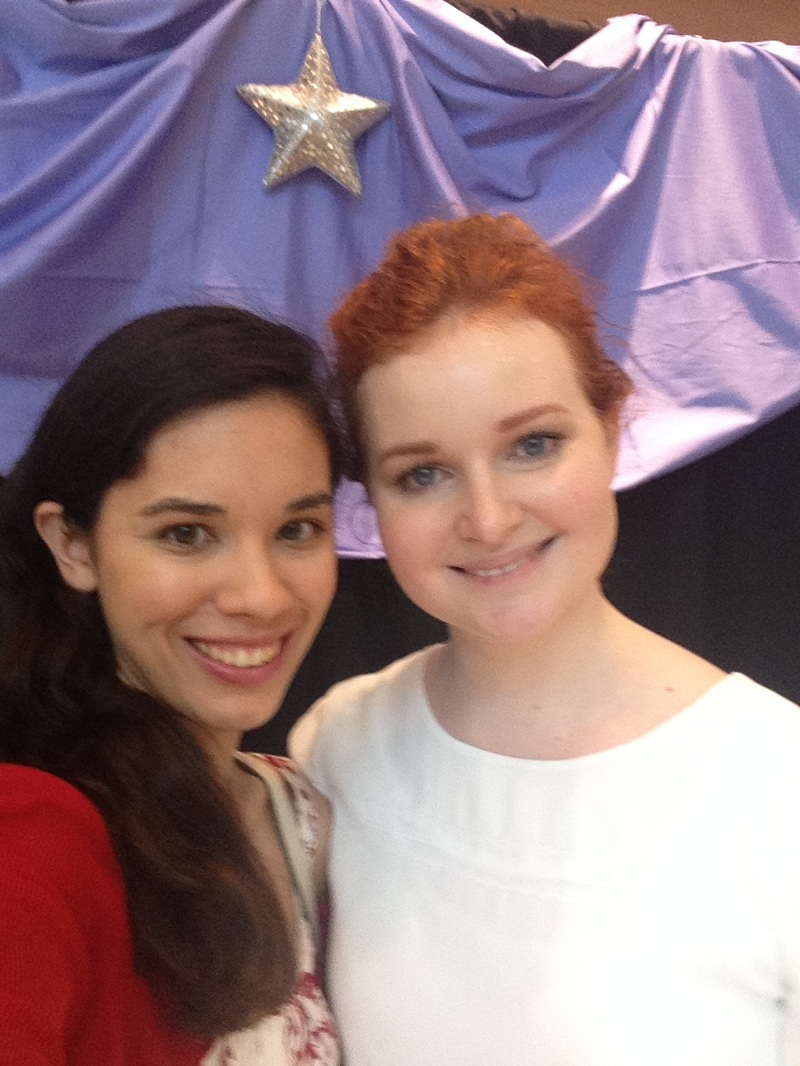
This last year, I was overjoyed when another Peabody friend, Erynn, joined the faculty at Potomac Arts Academy, where I teach. After a year of bonding over torture in excerpt class (such as standing in the Circle of Judgement while playing Don Juan and Schumann Scherzo) and struggling to stay focused in our Monday morning, 3-hour Mahler seminar, I had been sad to leave her when I moved away from Baltimore. I was so excited when she joined our faculty and moved to Virginia! In addition to talking about British television, books, and life in general, we completely geek out about violin pedagogy, have taught classes together, and are having just an amazing time growing our studios together. As an adult, it's hard to find time to see friends, especially when you work so much - so having a good friend who's also a fantastic colleague and who works where I do is an amazing plus. Here we are after a student recital this past spring.
Picture
A year ago at this time, I was in full-blown panic mode. I had this crazy idea that I wanted to give a recital. I was determined to keep performing and learning solo repertoire, despite being out of the conservatory environment and having very little practice time. What I wasn't expecting was the challenge of finding a pianist to collaborate with on the recital. In music school, pianists practically grew on trees. They all knew all the violin literature, worked for very reasonable rates (especially if they were on assistantship), and if the first one you asked didn't work out, there'd be several others who also knew your concertos and sonatas. As it turned out, being out of school and trying to hire a professional pianist, especially with so little time before a recital, was not an easy task. Both my piano colleagues at the Academy were already booked for the summer, and I was growing desperate.  A colleague had given me a list of names, only one with an email address - she said the others were on Facebook. With a deadline looming, a concerto to memorize, and nothing left to to lose, I set about Facebook messaging strangers, attempting to sound like a professional. 

No one responded. 

Initially, anyway. A few days later, I got a message back, from one Wade Meyers. He was available on my recital date, and knew the Beethoven sonata. I would learn later that he is not really a Facebook person at all, and sometimes goes weeks without checking it. How lucky I was that he happened to log in that day. I sent him the music, and we set up an initial time to meet. We started rehearsing, and instantly my chamber music starved soul started to revive. (One of the other hardest things about being outside of school is having time to play chamber music, as everyone is always working, and playing chamber music for fun doesn't exactly pay.) And then, at the end of the fifth movement of Lalo Symphonie Espagnole, it happened. I made a mistake, or thought I did. We tried the final cadences again. And it happened again. I was really confused - I thought I was counting correctly, and wasn't sure why we weren't ending at the same time. 

"It's okay," Wade said. "It's like the end of Return of the King. It ends a ton of times before it actually ends."

And that was it. The end of the concerto came together, we rehearsed the rest of the program, and then we talked about music, life, and Lord of the Rings for two more hours. Six months later, we decided to form an official duo and the Argonath Duo was born. It's been the most musical fun I've had in  years, and getting to know someone as a person as you're learning music with them is an incredible experience.
Lillian, Erynn, and Wade are just a few examples of the incredible people that I'm fortunate enough to both be friends with and work with. Musicians are really great people, and after many long years of drama, doubt, and angst, I'm convinced that the career path I've chosen is absolutely worth all the pain. 

So thank you to all of my friends, musicians and non-musicians, mentioned in this post and not, who have supported me, laughed with me, cried with me, listened to me when I stress, and played music with me over the years. I wouldn't be the person or musician I am without you, and I am profoundly grateful.
1 Comment

Travel Through Music - Italy!

6/27/2015

0 Comments

 
It's a rainy, sleepy day here in Washington, DC, so I'm naturally reminiscing about a trip to Italy that my mother and I took four years ago.  We did a wonderful tour through Rick Steves' company, and visited Florence, the Cinque Terre, Lucca, Volterra, and Rome. Someone else who took a fabulous trip of Italy was the composer Felix Mendelssohn. Mendelssohn was one of the rare composers who came from a wealthy family, so they sent him on the traditional "Grand Tour" of Europe when he was a young man. He came back inspired, and his Fourth Symphony is named "The Italian."

Please enjoy this video by the Frankfurt Radio Symphony, performing the "Italian" Symphony in its entirety, as well as a few photos from my trip.
Picture
Santa Maria della Fiore, or the famous Duomo in Florence. Taken from the balcony of the Uffizi art museum.
Picture
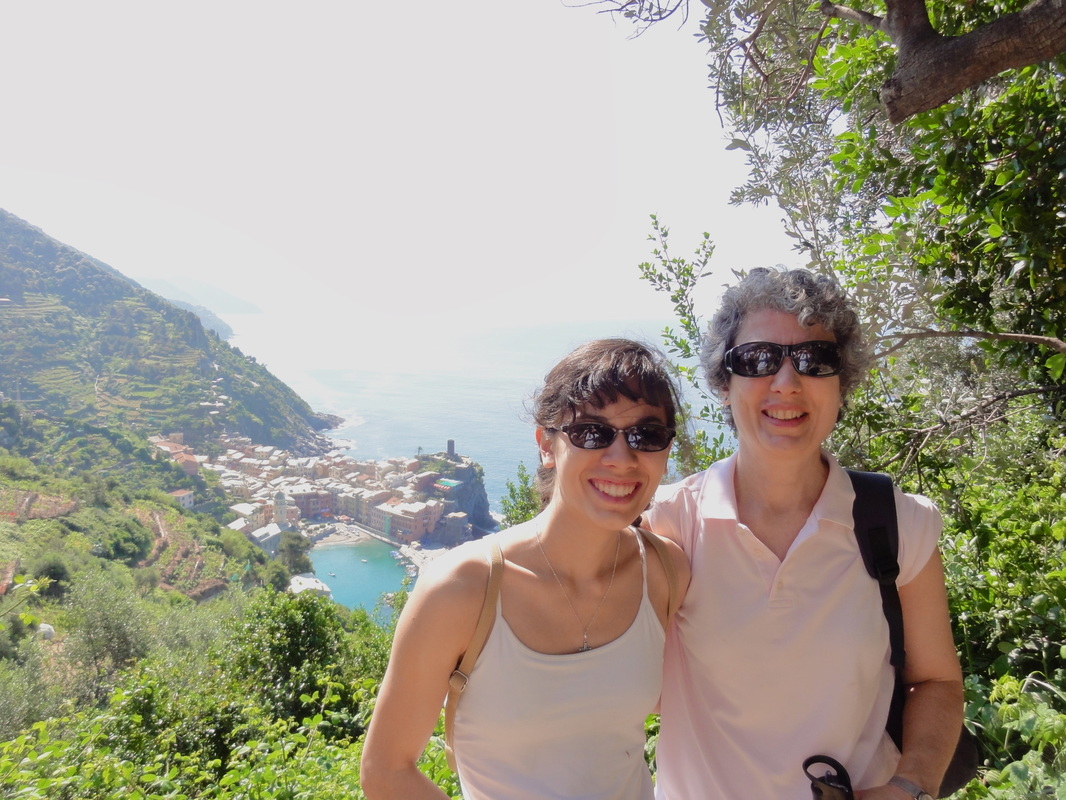
Me and my mother on a hike between Monterosso al Mare and Vernazza (seen behind us) in the Cinque Terre.
Picture
Saint Peter's Square and Rome, as seen from the top of the Vatican.
0 Comments

Using Music to Travel!

6/13/2015

1 Comment

 
Did you know that, by using your imagination and your listening abilities, you can travel through time and space with music? Playing or listening to music from a different time can transport us there. And many composers have written music that was meant to sound as if it took place somewhere else. So join me on my blog this summer as we go traveling! Just think of music as your personal Tardis.

(sorry, Dr. Who reference)

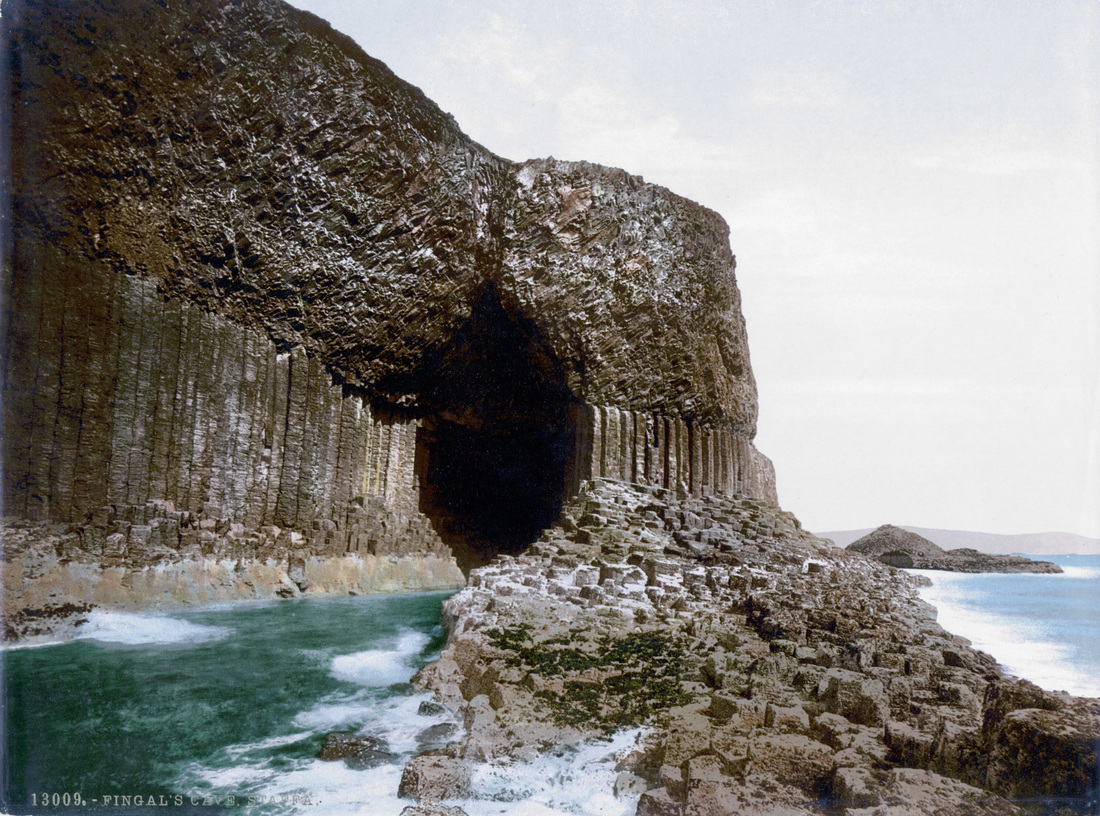
Today, we're starting with the beautiful country of Scotland. The Hebrides are a series of islands in the far, far north of Scotland, and it looks something like this. (Disclaimer: I did not take, nor do I own the rights of any of these photographs, which belong their owners.


Picture
In the Hebrides, there's a cave known as Fingal's Cave, and it looks like this:

Picture
Felix Mendelssohn, a composer who lived in the Romantic era, wrote a beautiful piece for orchestra called "The Hebrides" or "Fingal's Cave Overture." Listen to this performance of the San Francisco Conservatory orchestra performing it and enjoy your mini trip to Scotland!
1 Comment

Planning Your Musical Summer: Maintaining Your Level

6/4/2015

0 Comments

 
A question I've been asked frequently in my studio is, "How do we keep our progress going over the summer?"

The answer to that question is, honestly, the same as any other time of the year: You take lessons, and you regularly practice what you have learned in those lessons.  If you're able to do this, you can actually kick your musical studies up a notch. Without school or homework, practice can take a priority. Students who are naturally morning people can take advantage of summer mornings to get some quality work done. You may ask your teacher if you can take extra lessons - or attend an intensive music camp.  I'll write more about different ways you can do this in a different blog post.

For families who are traveling for extended periods of time, or students who are pursuing other activities during the summer besides violin - that's fine. Summer provides a myriad of opportunities to see the world, visit family, explore new things, and to just relax. It's a good thing to take time off, and I believe that the more well-rounded a person is, the better off they will be. However, if this sounds like your summer, you need to accept the fact that you will most likely NOT be making the same amount of progress that you would if you were studying and practicing violin regularly. Your goal, then, should be to maintain your level.


Setting the goal of maintaining your level releases you from the pressure to "make progress" or "learn a new song," which are two of the things I have parents and students asking me about the most. When a student is taking a lot of time off during the summer and not practicing as much, we have to change our goal. 

We succeed when we meet our goals. If your goal is to finish Suzuki Book 1, yet you only take four lessons in the entire summer and practice very little, you won't meet your goal, and you'll feel really bad about yourself. If your goal is to make sure you can play all the Book 1 songs you already know really well and to have a tall violin all the time, then you will meet it, and you can feel that you've had a successful summer. 

So, maintaining your level. How to go about this? Here's a list, in no particular order, of different ideas to keep your musical brain active during a summer when violin isn't part of your daily routine.

  • Go to concerts and watch people play violin.
  • Listen to recordings of the music you've been learning wherever you go - in the car, on the airplane, etc.
  • Make a plan to review old repertoire - but with a new focus, such as one particular element of technique. Ask your teacher for suggestions of how you can work on review pieces.
  • Review all your old scales - and invent new bowing for them.
  • Read books about musicians.
  • Try to practice for just 5 or 10 minutes a day. Believe me, it makes all the difference.
  • Even if you don't have your violin with you on a trip, try to sing through your pieces or clap the rhythms.
  • You can also try visualizing yourself playing violin - imagine the violin on your shoulder, the bow in your hand, and see if you can "play" through a scale or a piece in your mind.
  • Instead of watching Frozen for the billionth time on your road trip, invest in some DVDs or digital downloads of classical music concerts. Suggestions include: Leonard Bernstein's Concerts For Young People series, The Art of Violin, or Beethoven Lives Upstairs. Artists who have DVDs of performances out include: Jascha Heifetz, Midori, Julia Fischer, Anne-Sophie Mutter, and Gil Shaham. 
  • The Berlin Philharmonic offers a Digital Concert Hall as a monthly subscription service that includes full performances of concerts, interviews with the players, and documentaries about the orchestra. Download this on all your devices!


Most importantly, let go of the expectation that you will make progress in the same way you were during the school year. Embrace your summer. Don't agonize about the fact that you're not learning new pieces. Accept that you will have to do some level of review and re-learning when you return to lessons in the fall - but realize what other wonderful things you've brought into your life this summer. 

If, at the end of the summer, you realize that you missed playing violin regularly or that you want a different plan for the following summer, talk to your teacher. Ask them what you need to do differently next year to make sure that violin plays a more important role, and then take their advice.

Have a great summer, everyone - stay tuned for a new blog post soon about how to kick your studies up a notch in the summer!
0 Comments

Perpetual Survival

3/26/2015

0 Comments

 
Perpetual Motion is one of the most notorious pieces in Suzuki Book 1. Just say the name to any violin teacher or Suzuki parent and you'll get a heavy sigh. "Oh, THAT one." When I tell people that I have 8 students all at some stage of Perpetual Motion, I get condolences.

It's true, Perpetual Motion haunts my sleep. Out of sheer survival instinct, I've developed a variety of ways to both prepare students for Perpetual Motion so that when they actually learn it on the violin, we get through the piece in a matter of weeks.

1. Singing
  • The first thing students do is listen to Perpetual Motion and learn to sing it. 
  • I always have my students write their own words to their Suzuki Book 1 songs. The rules are simple: one syllable per note, to keep the rhythm steady, and the words can be anything they want. This helps the student be expressive, connect to the rhythm and pitch pattern, and remember the order. If you assign different words to repetitive phrases, they'll be easy to remember. 
  • Singing in solfege. I teach my students to sing solfege syllables on scales and other patterns from the first lesson. By the time they're at Perpetual Motion, singing their songs in solfege is a normal thing for them. Singing in solfege also helps them connect to the relationship between the pitches.
  • IF your student is reading all the notes in the A Major Scale by this point, you can also have them sing note names.


2. Scales and Finger Patterns
  • I make sure that my students can play an A Major one octave scale, the arpeggios, and the scale in broken thirds.
  • I also do a ton of finger patterns featuring broken thirds and fourth fingers.
  • We do the A Major Scale in two different bowings: martele in the upper half for the Perpetual Motion singles, and then detache doubles in the middle of the bow for the doubles. This prepares the bow strokes.

3. Basic Technique
  • If a student is struggling with basic elements of technique such as left hand position, holding the violin up, or bow hold, I correct these through review songs or supplemental repertoire before tackling Perpetual Motion.


4. Awareness of Musical Form
  • The large scale form of Perpetual Motion is A B C A (using 4-bar phrases). That can be broken down into a a' b b' c c a a' (using 2-bar phrases). I write this on the music for the student and sing through the piece with them so they can see where exactly each section is.
  • I always point out that the difference between a and a' is that a ends on the note E and a' ends on the note A. The same goes for b and b'.
  • Any awareness of patterns will help build the connection between the student and the piece.


Once you've prepared the student to sing the song in a variety of ways, trained their fingers to do all the patterns required in the piece, and trained the bow to do the different bow strokes, teaching them the actual piece goes much, much smoother.

I hope this helps students, parents, and teachers who are working on Perpetual Motion, and I'd love to hear any tips or tricks you have for teaching it!
0 Comments

Finding My Voice Through Wizard Rock

2/11/2015

0 Comments

 
I started a new project this year, with my friend and colleague Wade Meyers. After playing a recital together last year, we realized that we not only worked well together musically, but that we shared a number of geeky interests. We decided to form The Argonath Duo to promote both live acoustic performances of music but also to present contemporary popular music alongside classical masterworks.  We also decided to video blog about our experiences as performers and as fans to help create an audience and connect with people as passionate about music as we are.

I expected that this would be a fun outlet - a way to play regularly with a chamber partner, to be really geeky, and a good challenge for me to play anything that isn't strictly classical. What I didn't expect was that learning one wizard rock song would change my entire process for learning music and lead to a feeling shockingly close to creative fulfillment.

As we are both fans of Harry Potter, and I am a fan of web series and YouTube director Yulin Kuang, we decided to do a cover of the song "Horcruxes," written by wizard rocker Kirstyn Hippe, from the short film I Ship It. Wizard rock, by the way, is a genre of music that was created by Harry Potter fans - rock music with lyrics drawn from themes from the Harry Potter book series. There was no sheet music available, so I set out learning the song in a way that I've never learned a piece before: I sang.

I listened to the song over, and over again, and then I started singing along until I had it memorized. Only then did I pick up my violin. I would sing a line of text and then try to match my voice with my violin. Once I thought I had the whole song, I blasted it on my speakers and played along, listening carefully to match the singer's (actress Mary Kate Wiles) rhythms, inflections, and character.

Wade and I had a ridiculously fun and geeky recording session, and when I listened back to the take we selected for our YouTube channel, I was shocked. I almost didn't recognize my sound. The intonation was better than when I played classical repertoire. The vibrato was more integrated with the sound. The phrasing was cohesive and made sense. And - I looked like I was engaged in my performance, because I was. I spent the next few days listening to the recording over and over again.

Violin has always been a struggle for me. I could write an entire blog series on my decades-long struggle to rehabilitate technique problems and release tension. I'm used to performance being a stressful situation. I'm used to accepting that I did the best I could under the circumstances and that I will always be in the process of learning. I'm not used to recording something, listening to it, and going "I love that sound. I cannot wait to share it with the world!"

Is this what being creatively fulfilled feels like, even a little?

When I went to my practice room the next day, I took out the Wieniawski concerto I'm playing and I looked at it. I played a little, and I asked myself, "Why does this not sound as integrated as my performance of Horcruxes?" And the answer came to me - singing. So, I sang a phrase of the concerto. Then I sang it with intervals. And then I played it on my violin. It instantly sounded better. The vibrato was more appropriate to the style, the tone was integrated with the phrasing, and the intonation was more centered. I talked to a friend about my experience and she said, "You're finally making the violin your voice." 

I feel like I've turned a corner in my violin playing. What started out as a fun side project turned into a transformative musical experience that's left me happier with my playing than I've ever been, and empowered to do more.

Here is the original song, as performed by Mary Kate Wiles and written by Kirstyn Hippe:
And here is the cover video by The Argonath Duo, with acoustic violin and piano, recorded live and in one take:
Thank you for listening! Please like, share, and subscribe!
0 Comments

So You Think You Can Play Your Recital Piece From Memory

2/4/2015

3 Comments

 
It's recital season for many people, and if your studio is anything like mine, memorization is an important aspect of performance. It's also the part of performance that people freak out about the most, at least among my students. Here are some tips both for basic memorization AND for those who are already memorized.

Memorization Basics
  1. Start from the end. This way, you'll feel stronger and more secure as you go through your piece.
  2. Start early. The first day you are working on a new piece, play a phrase twice with the music, then once without. Plan to memorize as you learn the piece.
  3. Identify patterns and sections so you know both the large-scale and small-scale architecture of the piece.
  4. Memorize in small pieces - start with a phrase, then add phrases together to make a section - rather than playing through the whole piece a lot and hoping the big pieces will fall into place.
  5. Know the levels of memorization: aural (how the piece sounds), kinesthetic (how it feels to be playing the piece), and visual (what the piece looks like on the page).

Memorization Tests
So, you think you have your piece memorized? Well, can you...
  1. Play through your piece with NO memory slips or hesitations?
  2. Play your piece first thing in the morning, as soon as you wake up? No warmup, no breakfast, no teeth brushing, just play your piece.
  3. Play your piece from memory in your concert shoes? Many of my students like to practice and have lessons in bare feet or socks, so practicing with the feeling of shoes is new.
  4. Play your piece with your eyes closed?  No looking at your fingers, or at your music.
  5. Write out your piece on staff paper?
  6. Sing your piece while playing air violin? You still have to do all the right fingerings and bowings!
  7. March a steady pulse while playing your piece?
  8. Sit in one place, without moving your hands, close your eyes, and feel what it is like to play your piece from start to finish? Hear the sound you want your violin to make, feel the fingerings, feel the bowings, and imagine yourself playing.
  9. Play your piece after watching an episode of your favorite tv show? It can be challenging to switch your brain from relaxed-on-the-couch mode to focus/performance mode.
  10. Play your piece with distractions? Ask your family to make noise by coughing, whispering or talking to each other, unwrapping snacks, and making noise with their phones. If you don't have some distraction assistants handy, try setting timers on your mobile devices to go off at random intervals while you're playing.
  11. Play your piece before you go to bed, when you're completely exhausted and feel like your brain doesn't work anymore?

The reality is that very few of our performances will take place in ideal situations. We need to make sure that our pieces are so deeply ingrained in our ears, our memories, and our bodies that we can perform under any circumstances!
3 Comments
<<Previous
Forward>>
    Picture

    Claire Allen

    Written thoughts on my musical life.

    Archives

    December 2024
    September 2022
    February 2019
    January 2019
    December 2018
    May 2018
    April 2018
    January 2018
    December 2017
    July 2016
    June 2016
    May 2016
    April 2016
    October 2015
    September 2015
    August 2015
    July 2015
    June 2015
    March 2015
    February 2015
    January 2015
    December 2014
    November 2014
    October 2014
    September 2014
    August 2014
    July 2014
    June 2014
    May 2014
    April 2014
    March 2014
    February 2014
    January 2014
    December 2013
    November 2013
    October 2013
    September 2013
    August 2013
    July 2013
    June 2013
    January 2013
    December 2012
    November 2012
    September 2012
    August 2012
    July 2012
    May 2012

    RSS Feed

    Categories

    All
    Classical Music
    Music Lessons
    Perpetual Motion
    Practice Tips
    Practicing
    Summer Violin
    Suzuki Violin
    Tips For Parents
    Tips For Students
    Violin Camp
    Violin Lessons
    Violin Philosophy
    Virginia Summer Music Camp

© Claire Allen 2025